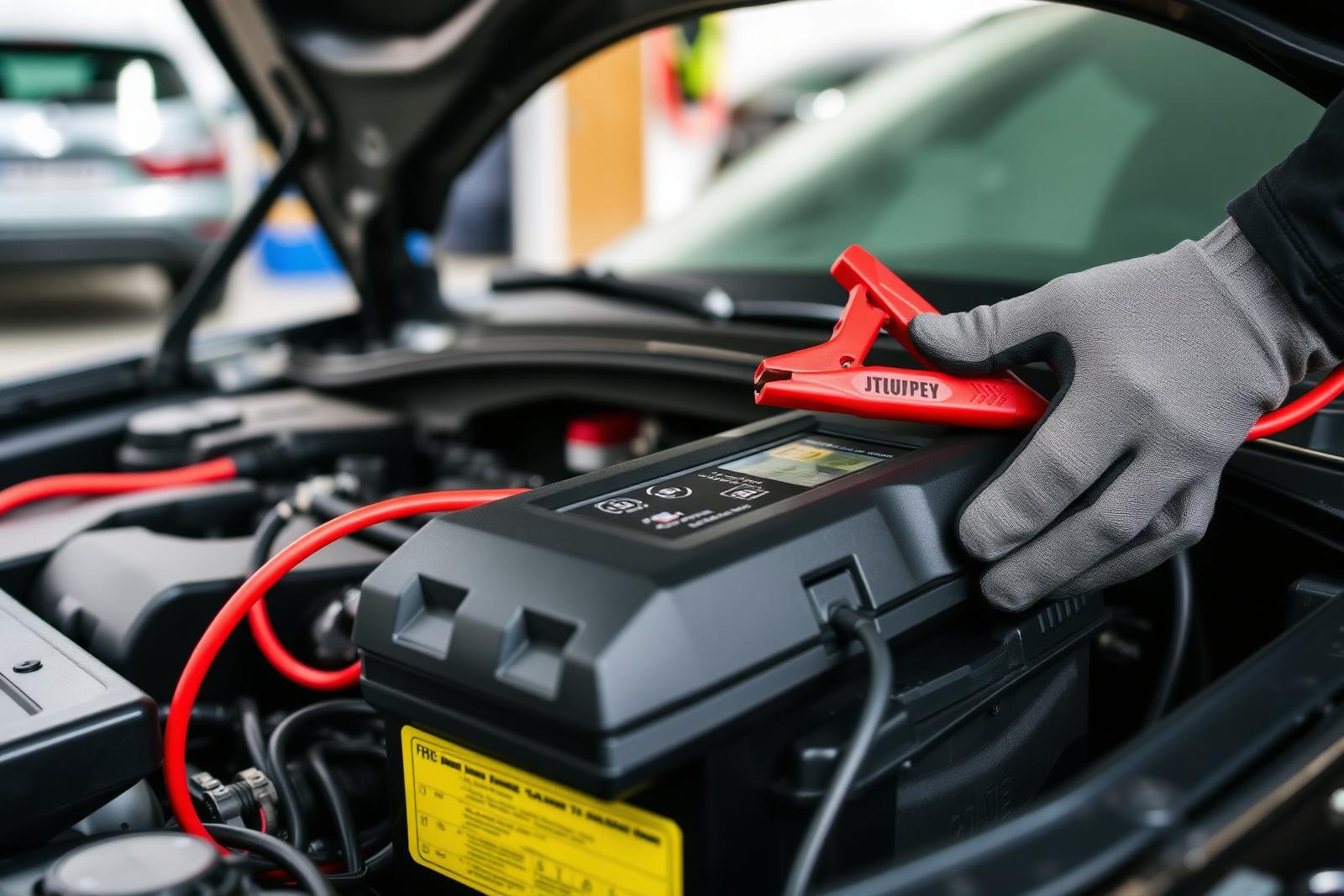
Flat Battery Assistance and Recovery starts with an assessment of the vehicle, location and work required. Explain whether the vehicle will not start, cannot unlock or cannot release a parking control. Call or WhatsApp SYA Rescue to confirm suitability, availability and a quotation before booking.
Explain whether the vehicle will not start, cannot unlock or cannot release a parking control. Low electrical power can affect more than engine starting. Give the vehicle model, drivetrain and observed symptoms rather than treating a battery diagnosis as certain. Ask which assessment can be offered at the location.
Prepare a workshop option for repeated failure
If the starting problem has happened before, mention earlier attendance and any work performed. A further start may not resolve the underlying fault. If transport is proposed, confirm a receiving workshop and agree the change of scope before accepting additional work.
Pinpoint the collection entrance
Send the vehicle’s exact location and describe the entrance or parking level. If it cannot be unlocked or is behind a gate, say who can provide access without attempting unsafe work.
Explain access restrictions and the space around the car. If it is inside a low or gated car park, those details matter if a later recovery needs to be considered.
Vehicle information needed before a quotation
Give the make, model and registration, and describe what happens when you use the normal controls. Mention dashboard lights, warning messages, whether the starter turns and any issue unlocking the vehicle. A flat battery should not be assumed without assessment.
Agree the scope and quotation
Ask which battery-related assessment or assistance can be offered for the vehicle and location. Confirm the attendance scope and price; a replacement battery, further diagnosis or recovery should not be assumed to be included.
Check what happens if the car cannot be started or the reported symptoms point to another problem. Agree any additional attendance, parts or transport and its price before that work proceeds.
Confirm availability for this vehicle
Tell dispatch the vehicle model, current symptoms and exact position. Mention whether a low-voltage issue affects the keys, locks or parking brake, and whether access to the vehicle is restricted.
Confirm the task, quotation and attendance arrangements with dispatch. If a warning changes or access becomes unavailable, update the operator before the visit.
Confirm the receiving address
If the vehicle needs workshop investigation and recovery is proposed, contact the garage first. Confirm it can accept the car and give the recovery operator the delivery details.
If the workshop cannot receive the vehicle at the proposed time, agree another destination or timing before transport. Storage and an additional journey may be separate services.
Private roads, car parks and controlled sites in the pickup area
Identify the person who can grant access to the driveway or managed car park. Provide gate, level and clearance information so the operator can assess whether attendance and any later loading are feasible.
Non-running, locked-wheel and damaged vehicles
Low electrical power can affect locks, electronic controls and the parking brake as well as starting. Report the symptoms you can observe safely; do not force controls or attempt an unfamiliar electrical procedure to prepare the car.
Documents, keys and authority to move the vehicle
Have the vehicle key and registration available where safe, and explain if the car is hired, leased or managed by an employer. Check any approval required before requesting attendance or parts.
Questions to settle before accepting dispatch
Check that the booking records the right vehicle, location and observed symptoms. Ask whether the agreed price covers assessment only, an attempted start, replacement parts or some other specifically confirmed work.
Payment, receipts and booking records
Agree the attendance price and payment timing and ask for a receipt. A replacement part or a separate recovery may change the cost, so obtain approval before those services are added.
Prepare for the agreed collection
If you cannot meet the operator, nominate someone who can provide access and describe the issue. Keep dispatch informed if keys, access or the car’s condition changes.
Do not force a locked parking control, touch damaged electrical components or attempt to move an unstable vehicle. Explain the limitation to the operator and let them assess a safe next step.
Handover and condition recording
If recovery is agreed, confirm how the car and keys will be handed over and where it will be delivered. Record visible condition where safe and tell the receiving garage about the starting and electrical symptoms.
Related service and booking decisions
Read the vehicle jump start assistance guide for the wider service decisions relevant to this request. Confirm the specialist requirement described above directly during the enquiry; a general service description does not establish that particular equipment, stock or authorisation is available for your job.
The quotation guide explains how to compare the accepted scope and price. Keep the specialist assessment, receiving arrangement and any agreed limitations with the booking record.
No. Starting assistance attempts to address the immediate starting request; recovery moves the vehicle. Explain your symptoms and desired outcome so the operator can assess which service is appropriate.
Does a no-start always mean the battery is flat?
No. Describe what happens when starting is attempted and any warning message. A starting problem needs assessment; the service request should not rely only on an assumed battery diagnosis.
Should I identify whether the vehicle is hybrid or electric?
Yes. Give the exact model and drivetrain, together with the displayed message or symptom. Appropriate procedures vary, so suitability must be checked for that vehicle rather than assumed.
Is a replacement battery included?
Do not assume that parts or replacement are included in a starting-assistance quote. Ask what the attendance covers and whether any additional testing, parts or fitting can be offered and separately agreed.
What if the vehicle starts but fails again later?
Keep the attendance details and explain the repeated symptoms when seeking further help. A successful start is not proof that the underlying cause has been resolved; follow the recommended diagnostic advice.
Can I request help for a car inside a garage?
Describe the entrance, available space, keys and any height or access restriction. SYA Rescue needs those details to assess whether suitable assistance can reach the vehicle and what arrangements are required.
What vehicle details should I provide before dispatch?
Give the registration, make, model, body type, fuel or electric drivetrain, approximate weight, modifications and key availability. Explain whether the vehicle starts, selects neutral, steers and rolls and whether wheels, suspension, brakes or bodywork are damaged. These facts help determine whether the proposed equipment and loading method are suitable for flat battery recovery.
Can an electric or hybrid vehicle be recovered?
Suitability must be confirmed for the exact model and condition. Provide the charge level, warning messages, ability to select neutral and any collision or flood damage. If there is heat, smoke, hissing, chemical smell or visible battery damage, move away and contact emergency services. Ask how the proposed method follows the manufacturer's transport guidance before accepting the booking.
What should I do if the vehicle is in a dangerous position?
Follow the current official road-safety guidance and instructions from emergency services for the actual situation. Use the official sources linked in our motorway breakdown guide. Do not approach traffic to obtain details for a commercial recovery enquiry.
Does a WhatsApp message confirm the booking?
No. A message can begin the enquiry and provide a location pin or safe photographs, but dispatch is confirmed only after the service scope, vehicle, pickup, destination, access, availability, quotation and arrival estimate have been agreed. Keep the written confirmation and update the dispatcher if the vehicle is moved, the condition changes or another provider is arranged.
How can I check insurance or specialist credentials?
Ask for current documentary evidence relevant to the attending operator, proposed vehicle and work if those details matter to the booking. Do not assume an unsupported website badge applies to every job. Fleet, insurer, lease and high-value vehicle requirements should be shared before dispatch.
What if the vehicle has locked wheels or no keys?
Disclose that before dispatch. Missing keys, electronic parking brakes, locked steering, seized wheels or transmission restrictions can prevent ordinary loading and may require different equipment or preparation. Do not drag the vehicle or force controls. Provide photographs from a safe position and the exact model so the provider can decide whether the request is suitable and quote accordingly.
Should I contact the receiving garage first?
Yes. Confirm the garage, dealership, bodyshop or storage site is open, expects the vehicle and can accommodate delivery. Ask for a contact name, booking reference and access instructions. A closed or unsuitable destination can cause waiting, redirection or additional charges. Supply the complete destination information when arranging flat battery recovery, not after loading.
What records should I keep after the job?
Keep the quotation, booking confirmation, payment receipt, itemised invoice and any condition photographs taken safely before loading and at delivery. Record keys and documents handed over and the receiving contact. If an insurer, employer or fleet manager may reimburse the cost, obtain approval and ask what evidence they require before dispatch.
Are nearby places such as the destination area and a nearby repairer automatically covered?
No location is automatically covered merely because it appears on the page. the destination area and a nearby repairer are nearby navigational context for the pickup area. The exact pickup, access, vehicle, requested service and current availability must be checked. Ask for explicit acceptance and an arrival estimate for the individual job rather than inferring coverage from a town list.
Can roadside assistance avoid a full recovery?
Sometimes a limited roadside action may be appropriate, but only when the scene is safe and the fault, vehicle and available equipment make it suitable. A temporary start or inflation does not prove the underlying issue is repaired. Ask what was checked and whether continued driving is recommended. If a safe roadside outcome is not available, agree an onward recovery destination.
What could cause the quotation to change?
A materially different vehicle condition, inaccurate weight or access details, a changed destination, extra waiting, additional labour, specialist equipment, storage or charges outside the agreed scope may affect the final amount. Ask the dispatcher to list likely exceptions before dispatch and require an explanation before authorising additional work. Clear initial information reduces avoidable changes.
What is the fastest way to obtain a useful decision for Flat Battery Recovery?
Prepare one complete message or call: precise pickup, safety situation, vehicle registration and model, observed fault or damage, whether it rolls and steers, access restrictions, destination and timing constraints. Add a safe map pin and relevant photographs. Then ask for five confirmations: coverage, equipment suitability, current availability, quotation basis and arrival estimate. This avoids repeated questions and supports a clear booking decision.
How should I update a pickup location after the first message?
Send the current precise location and state clearly that it replaces the earlier pickup information. Confirm that SYA Rescue has accepted the revised position and any resulting change to access, timing or quotation.
Who should I nominate if I cannot meet the operator?
Identify an authorised person with access to the vehicle, keys and agreed instructions. Provide their contact number and confirm who can approve any change to the work or destination before dispatch.
Need Flat Battery Recovery Now?
Call +44 7830 881805 with your location, vehicle and destination. Dispatch will check availability, provide an arrival estimate and quote for the requested work.