Bradford city and the wider district need separate location detail
Give the actual town or neighbourhood rather than using Bradford for every address in the wider district. A city pickup, a collection in Shipley or Keighley, and an enquiry around Ilkley require different approach information. The receiving garage may be in a different place again.
Send a postcode or pin plus the vehicle entrance. For a business property, identify the release contact and the site’s operating window. If the enquiry comes from someone away from the vehicle, ask the person on site to confirm the position and condition before the quotation is accepted.
Bradford’s Clean Air Zone requires the correct vehicle check
Bradford Council’s official Clean Air Zone information distinguishes cars and motorcycles from other vehicle categories that may be chargeable when non-compliant. A private car’s treatment therefore does not establish the treatment of a recovery vehicle attending it.
For a booking, ask how any applicable route charge is included in the quotation and use the official vehicle checker where relevant. Do not infer an exemption merely because a vehicle is performing a recovery. The council’s payment-check page is the appropriate starting point for current scheme information.
A Bradford-to-Manchester journey crosses different regional contexts
Greater Manchester’s official clean-air programme describes a non-charging plan, whereas Bradford operates its own scheme. Neither statement alone establishes every cost for a journey between the two areas. Give the complete receiving address and ask the provider to assess the actual route and attending vehicle.
For a planned transfer, confirm release and receiving windows on both sides. A workshop appointment in Manchester is separate from the collection arrangement in Bradford. Use the Greater Manchester page for the receiving-side context, and keep any changed destination or timing in the same transport instruction.
A route number must describe the actual stopping place
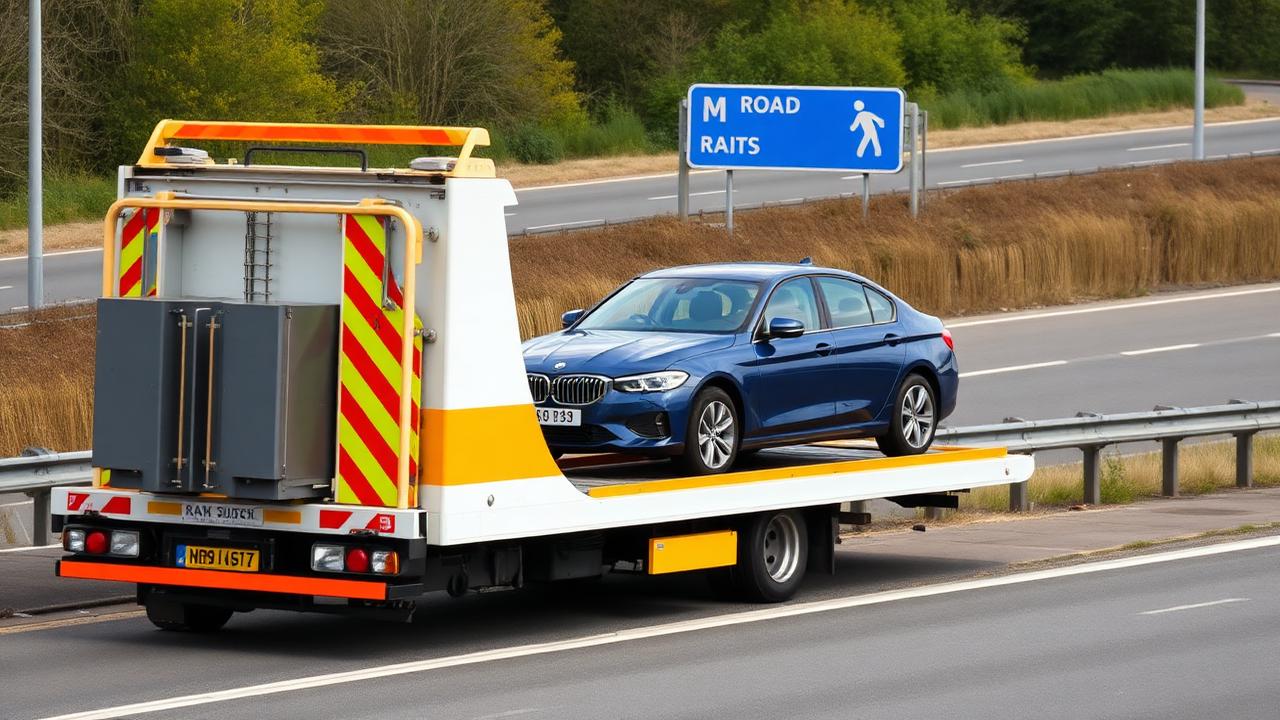
For an enquiry involving the M606, M62 or A650, say whether the vehicle is on that road, a connecting road, a parking area or separate premises nearby. Include direction and a safely identifiable reference where appropriate. Do not use a major-road name simply as shorthand for a business estate.
If an authority or site controller has instructed removal or appointed an operator, pass that information on before creating another collection. A private quotation does not override scene instructions. For a later transfer from a holding site, provide the current release location rather than the original incident position.
Sloping access and wheel condition are separate facts
If the vehicle is parked on a gradient, explain the position and approach as you can observe safely. State separately whether it rolls, steers, has keys or has a damaged or locked wheel. The operator needs both the site geometry and the vehicle condition to assess handling.
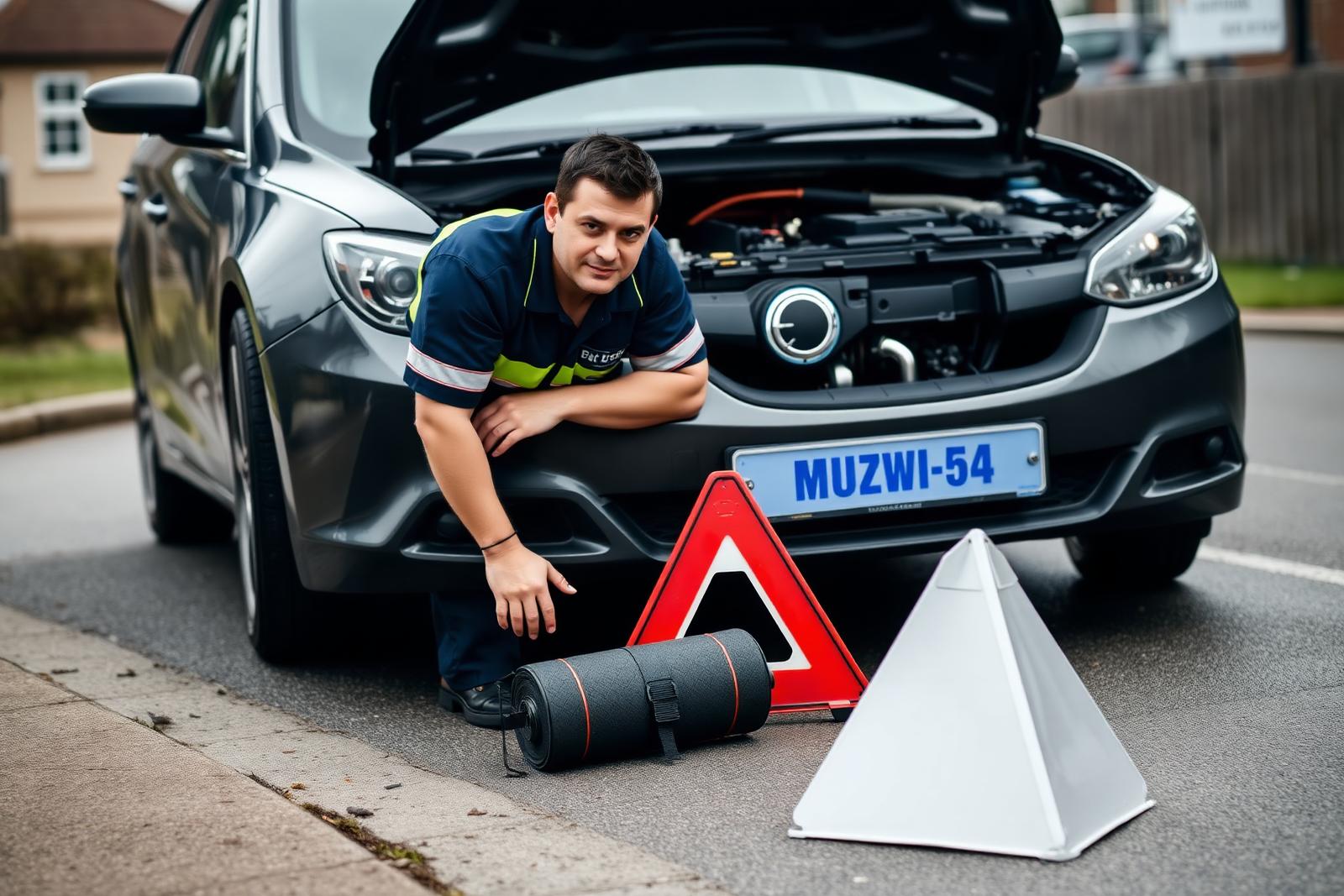
Do not assume that a no-starting car is freely rolling, or try to reposition a vehicle on a slope to simplify collection. For a vehicle off the normal road surface, mention the ground and any stability concern. Ask whether a different extraction assessment is needed before onward transport can be quoted.
District garage delivery needs the actual branch
Confirm which workshop has agreed to accept the vehicle and whether its entrance and unloading space suit the reported condition. A receiver in Shipley, Keighley or another district location should provide its own contact and opening arrangements. The postcode of a customer reception is not always the transport entrance.
If the vehicle cannot roll or has collision damage, tell the receiver before booking delivery. Ask who accepts the keys and records arrival. If the branch changes, obtain a revised agreement for the journey; being within the same wider district does not make every receiving address interchangeable.
Separate the recovery instruction from the repair decision
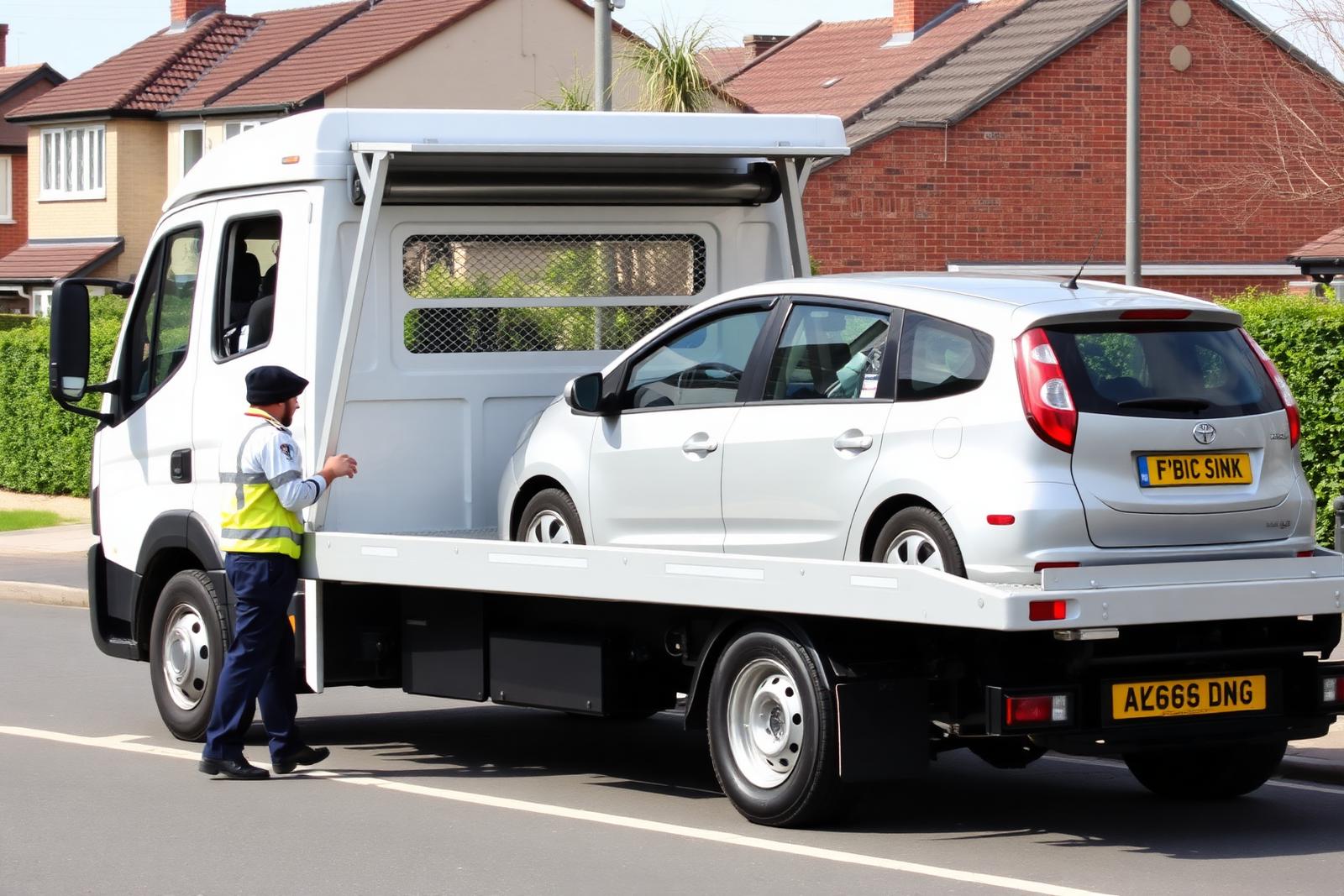
For a fault requiring transport, start with breakdown recovery. Explain collision damage through accident recovery, including any scene or insurer instruction. For a planned seller or workshop movement, request vehicle transport with release and receiving details.
Recovering a vehicle does not itself authorise the destination workshop’s repairs or establish insurance reimbursement. Keep the transport quotation, receiver’s acceptance and repair instructions clear. For a business vehicle, identify the person who can approve each stage and any reference required for billing.
Send the Bradford details that affect acceptance
Call or WhatsApp with the actual town or neighbourhood, entrance pin, model, keys, mobility and destination. Mention a sloping approach, restricted site, loaded van or an already appointed recovery operator when relevant. Add the releasing and receiving contacts if you are arranging the job remotely.
Ask for a confirmed scope, suitable collection method, quotation and current estimate. If the vehicle position or destination changes, update the instruction before attendance. No fixed local price, depot or response time should be inferred from the presence of a Bradford page.