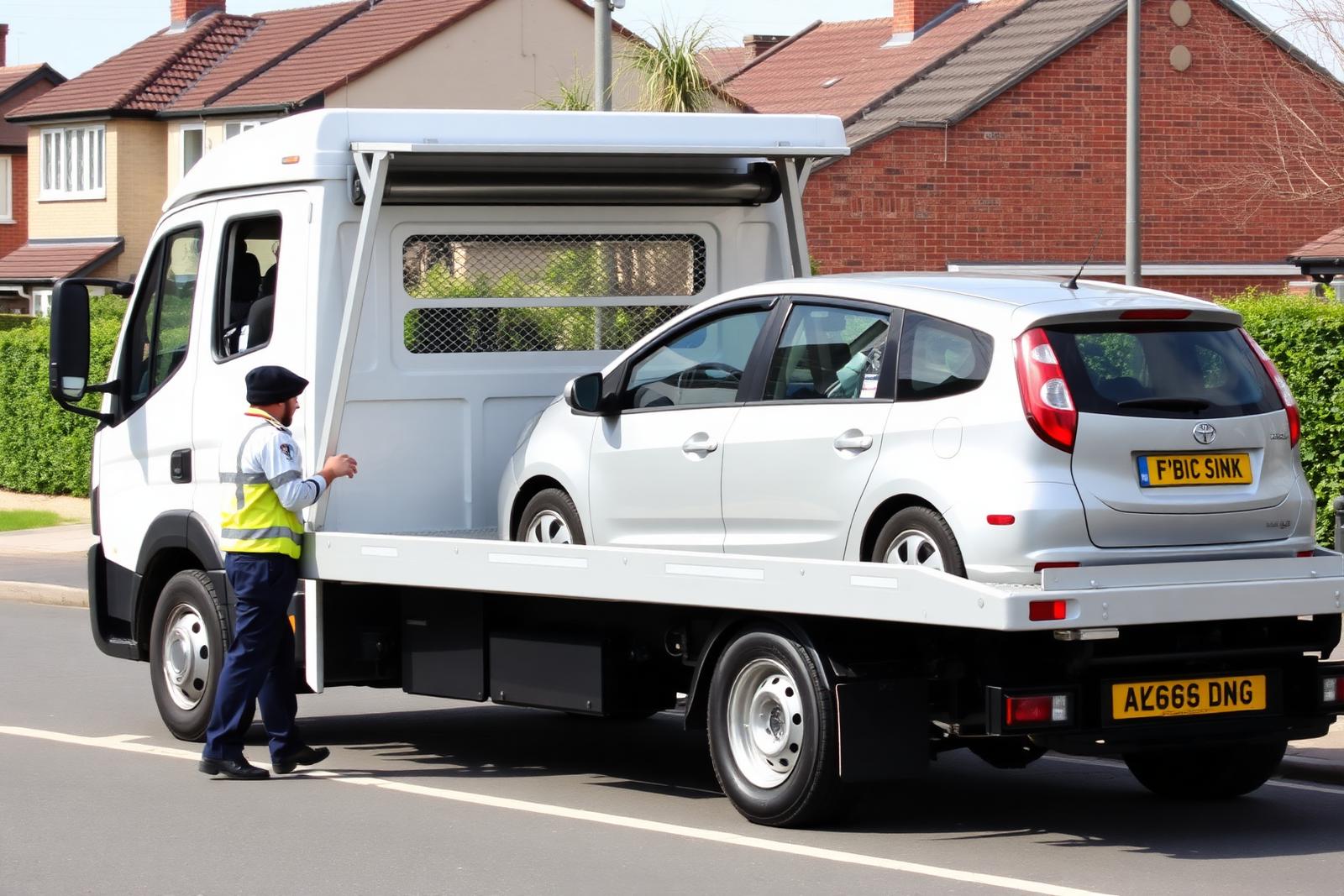
Describe the movement rather than choosing equipment yourself
Explain the pickup, destination, vehicle type and whether it rolls, steers and selects neutral. The operator needs to determine a suitable method for the actual vehicle. The word towing should not be taken to mean that every vehicle can be moved with its wheels on the road.
Transmission, drivetrain and damage need assessment
Identify whether the vehicle is automatic, all-wheel drive, hybrid or electric and describe any damaged or locked wheels. Manufacturer requirements and the vehicle’s current condition can affect the method. Ask which approach is proposed and confirm the accepted scope before collection.
Agree the complete movement before accepting attendance
Identify each part of the requested work: reaching the vehicle, any necessary movement within the site, loading, the onward journey and delivery. Ask which stages the offered quotation covers and which require a separate assessment. Explain who controls site access, releases the keys and accepts the vehicle at its destination.
If the vehicle or site differs from the initial description, stop and obtain a revised agreement before relying on the earlier plan. Keep the accepted scope and price with the booking messages. A specialist service title does not itself confirm equipment, availability or permission for the actual collection.
Pinpoint the collection entrance
Send a precise pickup pin or postcode and describe the entrance the operator should use. For a private site, provide its name, gate, level or bay and a contact who can grant access. Distinguish the parked vehicle from a meeting point or an entrance on another road.
Mention signed height, width or weight restrictions, narrow turns, ramps and any locked barrier. Explain uncertainty before dispatch so the proposed collection can be assessed against the actual approach.
Vehicle information needed before a quotation
Provide the registration, make, model, body type, fuel or electric drivetrain, approximate weight and any modifications. Explain whether the key is present; whether the vehicle starts, selects neutral, steers and rolls; and whether any wheel is locked, missing or damaged. Low suspension, long overhangs, tow bars, roof equipment and heavily loaded vans can change the safe loading approach for vehicle towing service.
Photographs of the vehicle position, wheel angles, damage and access can help with an initial assessment, but they do not replace an on-scene safety check. Do not crawl under the vehicle or enter traffic to obtain an image. If the vehicle is electric or hybrid, identify the exact model and describe any battery warning, impact near the battery area, heat, smoke or unusual smell. The operator must be able to decide whether normal handling is appropriate.
Agree the scope and quotation
Give the operator the collection and destination, vehicle condition, access and timing requirements. Ask what attendance, loading, transport and handover are included in the proposed price, and clarify VAT where applicable. Any specialist task needs explicit acceptance.
Ask how waiting, a changed destination or additional work would be approved and charged. Keep the agreed quotation and conditions so that a later change can be compared with the original booking.
Confirm availability for this vehicle
A current availability check needs the actual vehicle and work required. Explain damage, locked wheels, unusual size or any specialist requirement before relying on an arrival estimate. A site closing time or receiving deadline should be part of the initial enquiry.
Confirm when the request has been accepted and how timing updates will reach you. If the location, destination or condition changes, notify the dispatcher and obtain confirmation of the revised arrangement.
Confirm the receiving address
Contact the intended receiver before accepting delivery to that address. Obtain its full location, opening or receiving window, contact name and any reference needed. Explain whether the vehicle will arrive unable to drive or with damage requiring additional space.
If the receiver cannot accept delivery, agree another destination before loading. Storage, unattended delivery and a second movement require their own confirmed arrangements; they should not be inferred from a general recovery quote.
Private roads, car parks and controlled sites in the pickup area
Recovery from private property requires permission and workable access. Confirm that you are authorised to arrange movement of the vehicle and identify the landowner, site manager or security contact when relevant. For car parks, supply the height limit, level, ramp gradient, bay position and exit arrangements. For residential developments or workplaces, explain bollards, gates, loading rules and quiet-hour restrictions.
A standard recovery vehicle may not enter a low or tight structure. The booking may require a different method, a wheel-skate approach, movement to an accessible point or coordination with the site. Do not promise the site that a particular method will work before the operator has assessed it. Clear access information protects the customer, vehicle, property and recovery team and supports an accurate quote.
Non-running, locked-wheel and damaged vehicles
A vehicle that does not run can still vary greatly in loading difficulty. Tell SYA Rescue whether it selects neutral, releases the parking brake, steers and rolls. Identify flat or detached tyres, collapsed suspension, damaged steering, seized brakes, fluid leaks and bodywork touching the ground. Missing keys or security locks may prevent ordinary movement. Each condition changes the assessment for vehicle towing service.
Do not force controls or tow the vehicle with an unsuitable rope in an attempt to simplify the job. Modern transmissions, electronic parking brakes and all-wheel-drive systems can be damaged by the wrong movement. The vehicle handbook may contain a transport or towing procedure, but the operator must still decide how to load it safely. Provide the exact model and condition before dispatch.
Documents, keys and authority to move the vehicle
Keep the vehicle key, registration details, proof of authority and destination contact available. If you are not the registered keeper, explain your relationship to the vehicle and what permission you hold. Lease, hire, company, insurer-managed and police-involved vehicles may have separate instructions. Do not arrange disposal, storage or release without the required authority.
Remove essential personal belongings before transport when it is safe, but do not delay a dangerous-road removal to collect items. Photograph the vehicle condition from a safe position and record keys or documents handed over. For delivery to the destination area, a nearby repairer, the surrounding district or the pickup point, agree who can receive the vehicle. A clear handover reduces disputes and prevents delivery to a closed or unauthorised location.
Questions to settle before accepting dispatch
Confirm the provider has the correct pickup, destination, vehicle, condition and access details. Ask what service is being supplied, what equipment is proposed, what the quotation includes, what could change the price, how payment is taken and how cancellation or waiting is handled. Request the current arrival estimate and a method for receiving updates. If any answer is unclear, resolve it before authorising movement.
For Vehicle Towing Service, also check destination acceptance, quotation scope and vehicle condition. These are not administrative extras: they affect whether the proposed job is safe and suitable. A clear booking confirmation should match the conversation. Never share card security codes, account passwords or unrelated identity documents over an informal message.
Payment, receipts and booking records
Ask which payment methods are accepted and when payment becomes due. Confirm the business name that will appear on the receipt, whether VAT is applicable and how an itemised invoice will be supplied. Avoid transferring money to an unexpected personal account without verifying the request. Keep messages, quotation details and any receipt in case the scope or charge later needs to be reviewed.
If a third party such as an insurer, fleet manager, employer or garage may pay, obtain their approval before dispatch. Do not assume they will reimburse an unapproved booking. The commercial record should identify pickup, destination, vehicle, supplied service and agreed price basis. That record benefits both customer and provider.
Prepare for the agreed collection
Make sure the releasing contact knows the accepted pickup, destination and key arrangements. Have the booking reference and receiving contact available. If the vehicle or access has changed since the enquiry, tell SYA Rescue before the operator arrives.
Do not move an unsafe vehicle, force its controls or enter danger to prepare it for collection. Explain what cannot be accessed or checked so the attending operator can assess the next step.
Handover and condition recording
Before loading, review the vehicle position and visible condition with the operator where it is safe. Photograph existing damage, loose panels and wheel condition. Agree which keys, documents and accessories are being handed over. The operator should explain the planned movement and any limitation caused by access or damage. Raise concerns before loading rather than after departure.
At delivery, the receiving person should check the vehicle and record the handover. If delivery is unattended, agree in writing where the vehicle and keys may be left and who accepts responsibility. For Vehicle Towing Service, a simple condition and custody record is valuable even when the journey is short.
Related service and booking decisions
Read the breakdown recovery guide for the wider service decisions relevant to this request. Confirm the specialist requirement described above directly during the enquiry; a general service description does not establish that particular equipment, stock or authorisation is available for your job.
The quotation guide explains how to compare the accepted scope and price. Keep the specialist assessment, receiving arrangement and any agreed limitations with the booking record.