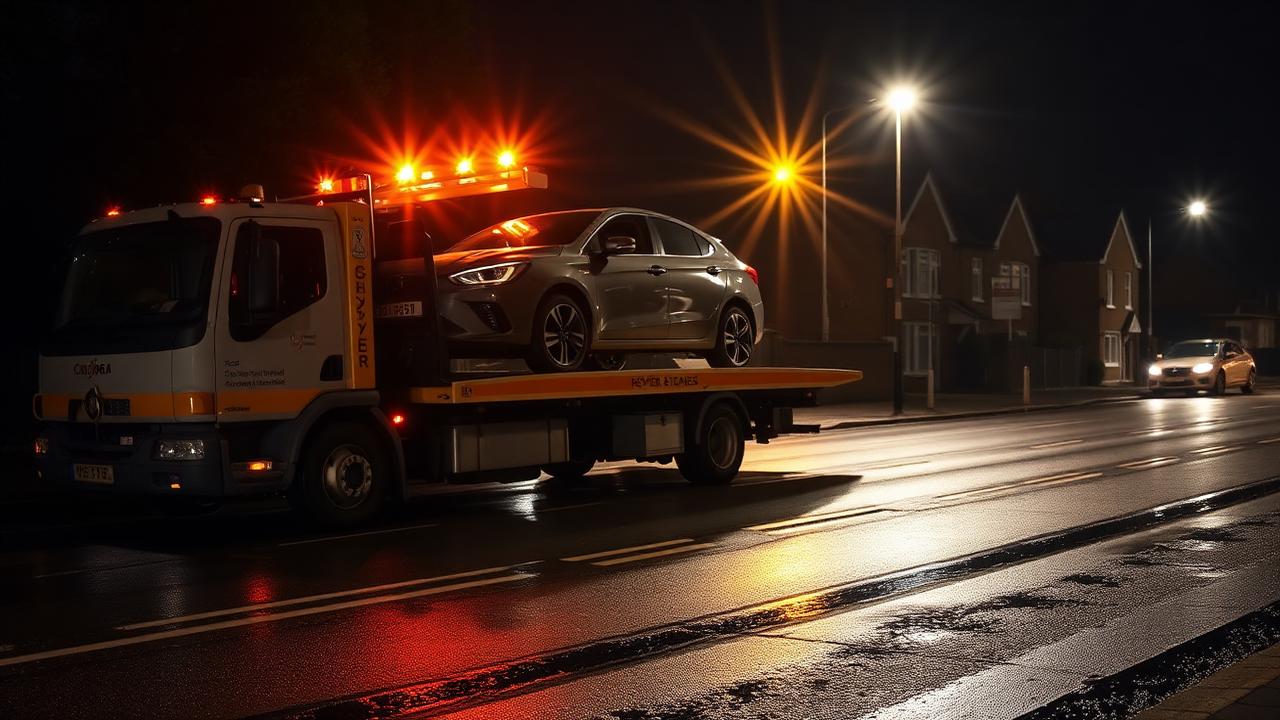
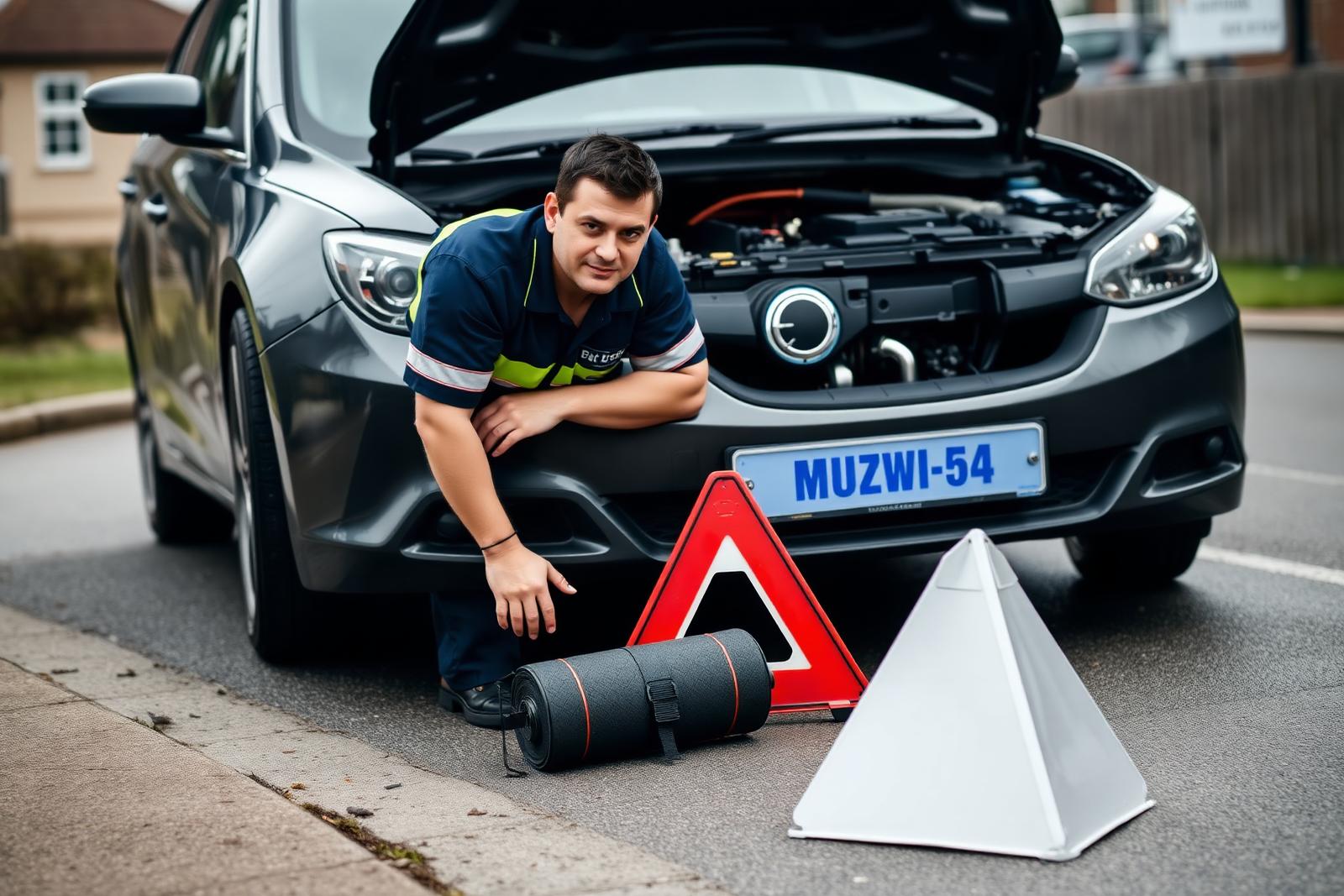
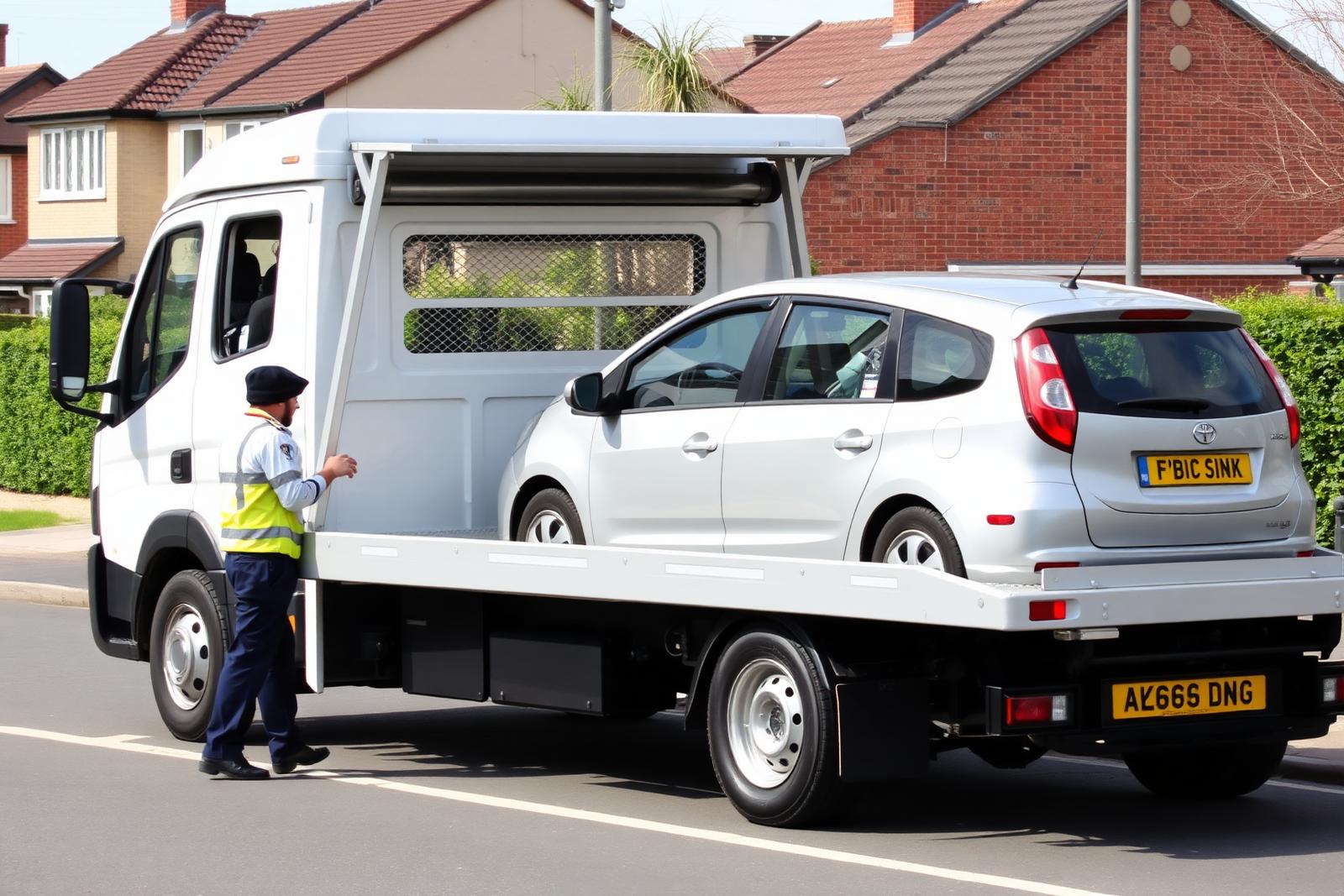
Arrange vehicle recovery in Kingston upon Thames with a precise street or parking entrance. SYA Rescue checks collection access, vehicle movement and your chosen receiver before confirming a quote for the complete job.
Provide a postcode or map pin and explain the vehicle entrance.
Describe the vehicle, what has happened and whether it rolls and steers.
Confirm the destination and who can accept delivery.
Mention gates, parking levels, missing keys or time restrictions.
Attendance, equipment and an arrival estimate are confirmed for the individual job.
Recovery guidance for Kingston upon Thames
Kingston parking and riverside destinations
Specify Kingston upon Thames and the actual vehicle location. A riverside landmark or shopping address may be near the car without giving a recovery vehicle a usable approach. Name the parking facility, entrance, level and bay where applicable.
For a destination across the river or elsewhere in London, provide the full postcode rather than estimating distance from the map. The road route and final unloading entrance matter more than proximity between two landmarks. Ask which relevant journey charges, if any, are included in the quotation.
Student, household and visitor key handovers
If a parent, relative or visitor is arranging the recovery, agree who authorises release and who can physically hand over the keys. For managed accommodation, contact the building team about vehicle access. A resident's pedestrian entrance may not be suitable for loading equipment.
Tell the receiving workshop about immobility and any damaged wheel before collection. Use London long-distance transport for a planned move or London breakdown recovery after a fault. Richmond and Hounslow help with nearby pickups while preserving the correct Kingston address for this job.
Managed accommodation and parking authority
For a car in student or other managed accommodation, ask the building team about recovery access and key release. A parent or visitor arranging the move may not have an access card that opens the vehicle gate. Agree a named person who can admit the driver and reach the actual parking space.
Describe whether the vehicle can roll or steer and any height restriction on the approach. Do not assume staff can move a disabled car to a convenient entrance. Internal movement needs to be part of the assessment when the car cannot leave under its own power.
Keep long-distance handovers specific
If the vehicle is going to a family home or specialist outside the area, provide the full receiving address and accepted arrival window. Explain any driveway slope, gate or immobility that affects unloading. A receiver who expects a running car may need to make different arrangements.
Clarify which contacts approve the journey and can accept changes. Passenger travel, storage and extra stops are separate unless agreed. Keep the complete pickup-to-receiver scope so a later change is discussed rather than assumed included in the original quotation.