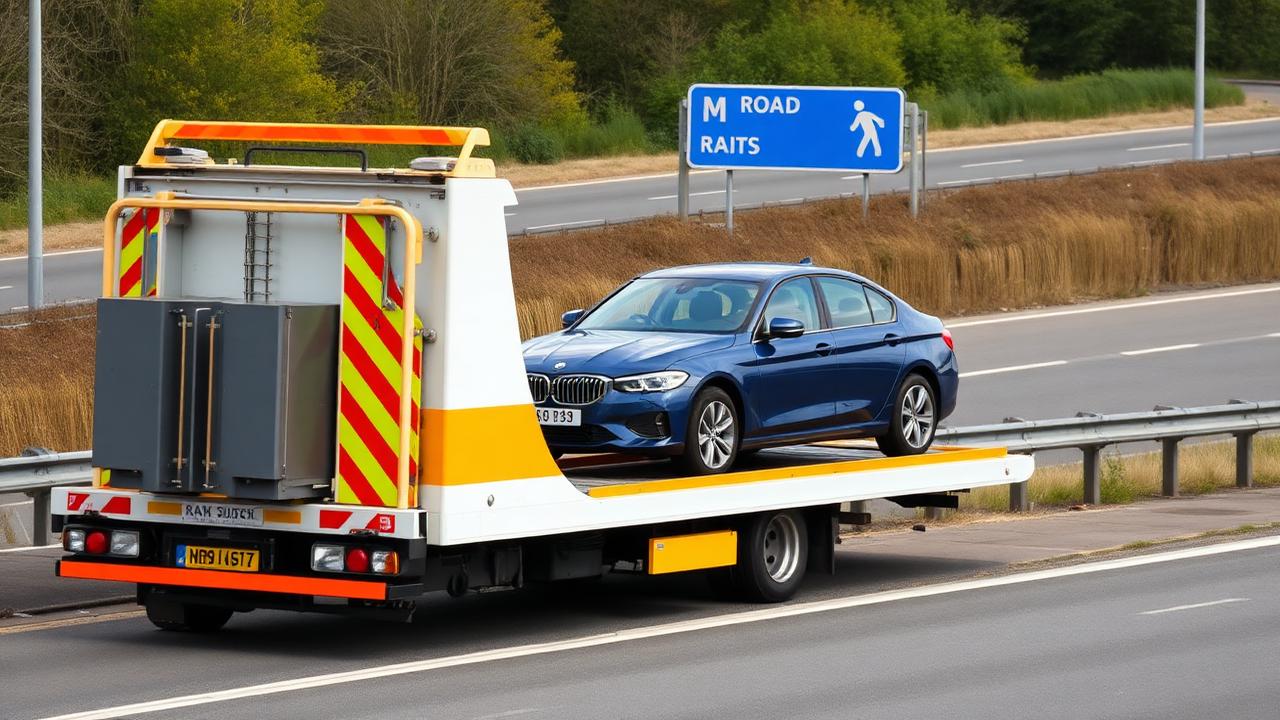
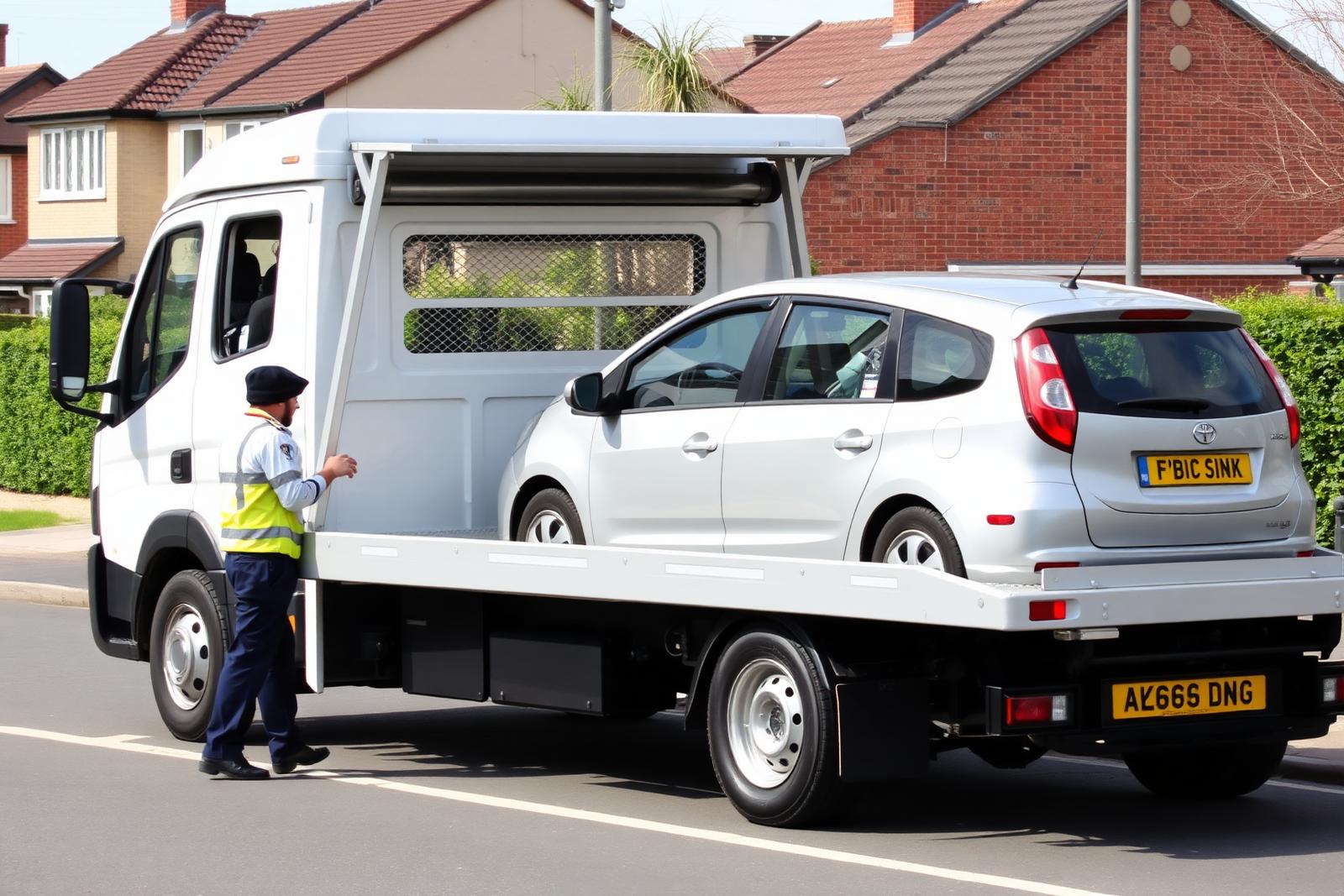
Arrange vehicle recovery in Greenwich with the pickup address, river-side location and parking access clearly identified. SYA Rescue accepts requests from homes, visitor parking and managed premises, with the collection method and destination agreed before dispatch.
Provide a postcode or map pin and explain the vehicle entrance.
Describe the vehicle, what has happened and whether it rolls and steers.
Confirm the destination and who can accept delivery.
Mention gates, parking levels, missing keys or time restrictions.
Attendance, equipment and an arrival estimate are confirmed for the individual job.
Recovery guidance for Greenwich
A Greenwich pickup needs its own road approach
Greenwich can describe the town centre or a wider borough address. Say where the vehicle actually stands and which vehicle entrance reaches it. A riverside landmark or map pin at a building centre may not identify a usable road approach, especially when pedestrian access is different.
If you walked from a car park to a visitor attraction, return the pin to the parked position before requesting collection. Give the parking operator, level and bay where available. Do not describe a Greenwich Peninsula pickup as town-centre parking if the vehicle is at a separate managed site.
Visitor parking and managed residential access
Ask the parking operator or building staff what recovery access requires. Provide a staffed contact, barrier information and any height limit. A passenger car's successful arrival does not establish that a recovery vehicle can follow the same route or turn within the same space.
If the car has become immobilised on a ramp or behind another vehicle, explain that explicitly. The job may involve an access assessment before a road transport price can be finalised. Photographs are helpful only when they can be taken safely without entering moving traffic or a controlled operating area.
Cross-river delivery is a complete journey
Your preferred garage may be on the other side of the Thames. Quote the full receiving address rather than assuming a geographically close point creates a short road journey. Routing and access have to be considered for the recovery vehicle and the agreed destination.
Ask whether any route-related charges are included. Check applicable current TfL information instead of relying on an old statement about a crossing or vehicle exemption. If the receiver changes, the quotation and delivery window should be revisited before the vehicle is loaded.
Separate vehicle recovery from event or visitor travel
For a breakdown during a day out, decide who will remain available to authorise release and how passengers will travel. Tell the team about children, mobility needs or a large group before assuming everyone can accompany the car. The vehicle transport and passenger arrangements need separate confirmation.