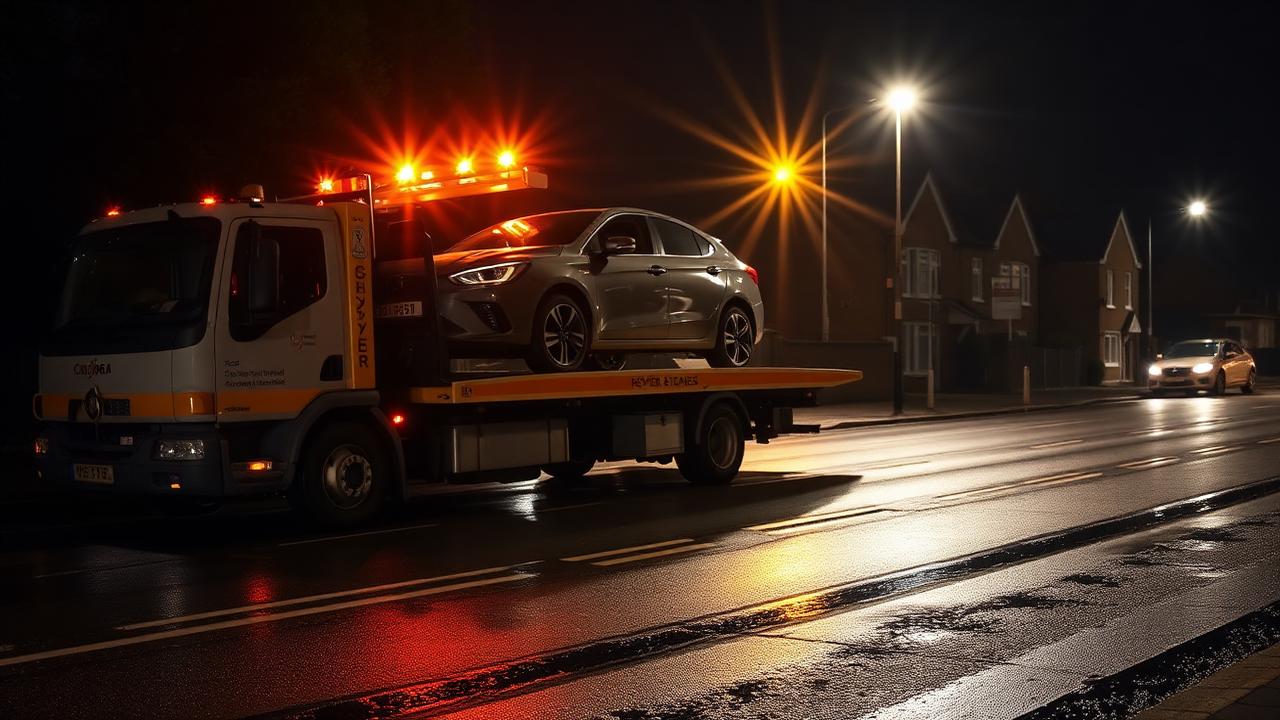
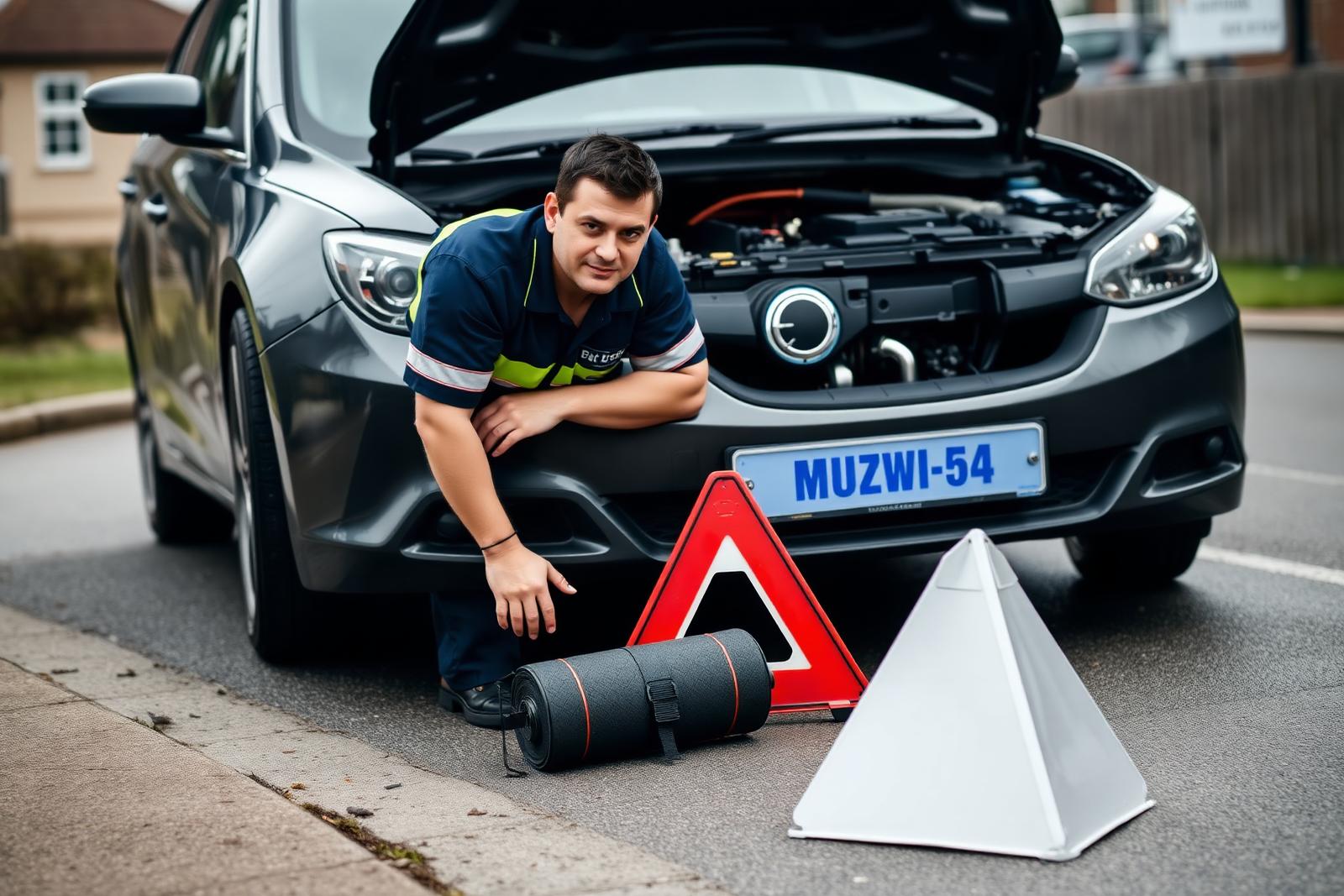
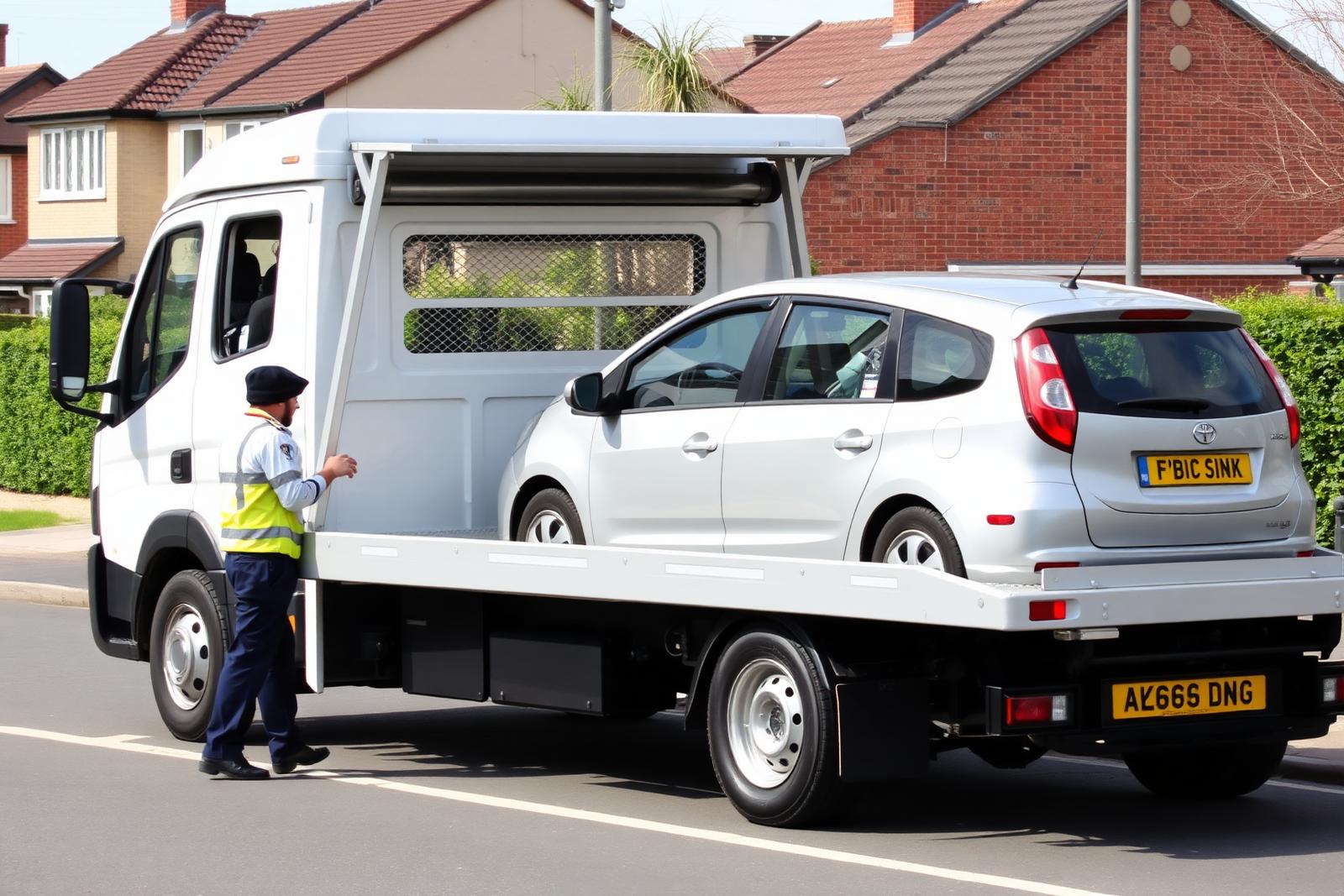
Request recovery in Barking with the actual street, residential entrance or business yard identified. SYA Rescue assesses vehicle condition and loading access before quoting the complete move to your agreed destination.
Provide a postcode or map pin and explain the vehicle entrance.
Describe the vehicle, what has happened and whether it rolls and steers.
Confirm the destination and who can accept delivery.
Mention gates, parking levels, missing keys or time restrictions.
Attendance, equipment and an arrival estimate are confirmed for the individual job.
Recovery guidance for Barking
Distinguish the town address from a business or riverside site
For a Barking pickup, send the exact postcode and entrance road. A business name can cover several units or a separate service yard, while a residential development may use a gated approach away from its postal front door. State where the vehicle is, not only where the owner lives.
If the vehicle stopped on a major road rather than at an address, describe the road position and direction. A nearby Barking postcode is not a substitute for locating a car still on a carriageway. Address immediate danger before arranging the commercial move.
Loaded vans and site release
Tell us whether a van is carrying stock, tools or other equipment and provide its actual loaded weight where known. The pickup contact should be able to authorise release and open any gate. A delivery deadline does not remove the need to assess suitable recovery equipment.
If the business has a narrow access window, share it before booking. Confirm that the receiving garage accepts the vehicle's dimensions and condition. Use London breakdown recovery for service detail or Dagenham and Ilford when those are the correct pickup locations.
Check vehicle access inside a developing residential site
For a managed residential address, ask which entrance currently serves the parking area and who can open it. The postcode may identify the development without showing a barrier, basement ramp or service road. Send any instructions received from the managing agent rather than assuming the route displayed on a phone is suitable.
Explain where the car stands relative to other vehicles, walls and kerbs. If it cannot roll or select neutral, the distance from the entrance is only part of the assessment. The team needs to understand the complete path between the parked car and a feasible loading position.
Define collection, delivery and responsibility separately
A Barking business may arrange transport for a customer's vehicle while another person holds the keys. Identify the owner authority, pickup representative and person approving the charge. Give each person's role so a call at the gate reaches someone who can make the necessary decision.
Ask the receiving workshop to confirm its accepted entrance and the condition it expects. If parts are loose, a battery has been removed or the van remains loaded, say so before collection. Keep the final scope in the booking confirmation and update it when circumstances change.