Request Emergency Roadside Assistance and Repair Assessment
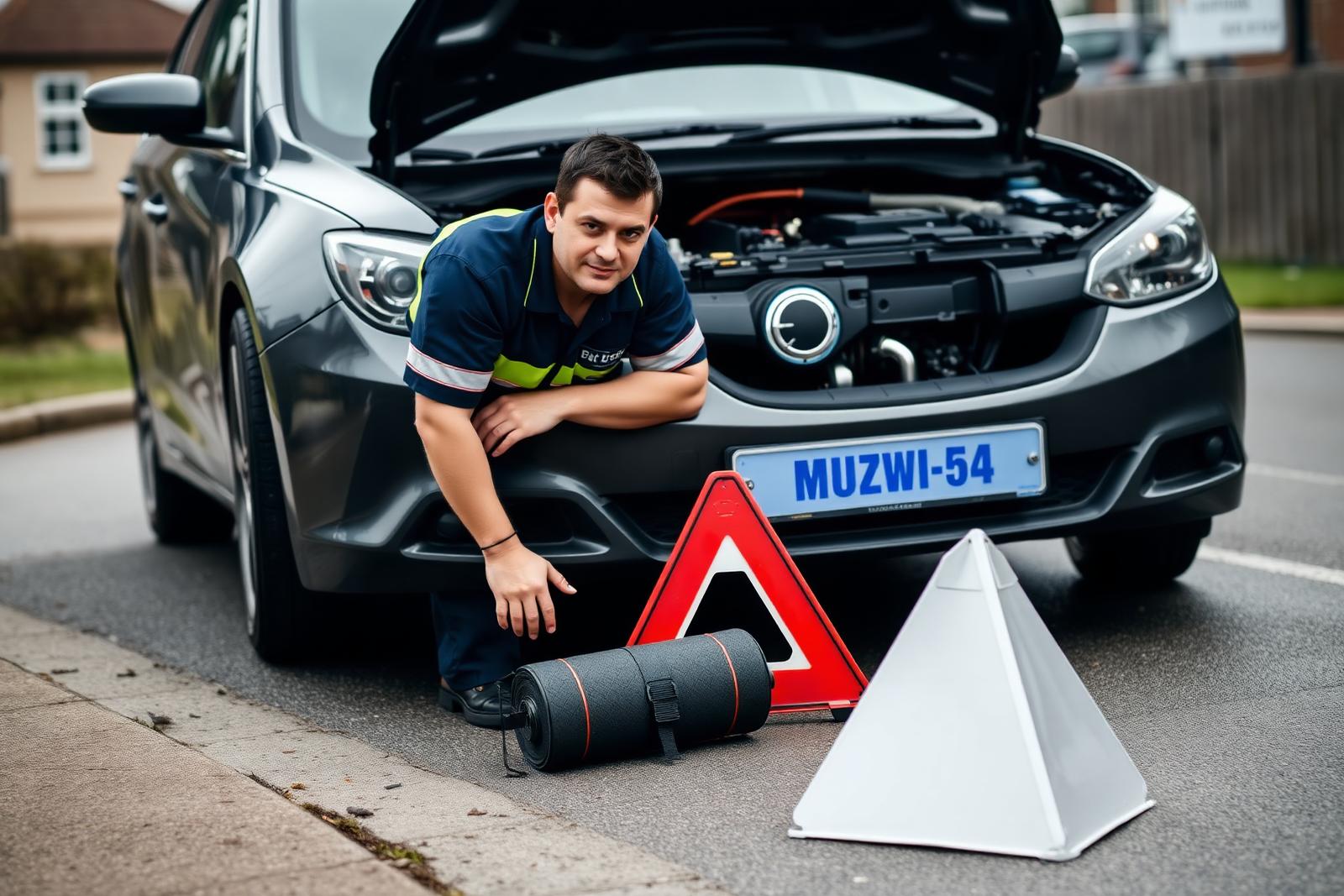
Emergency Roadside Assistance and Repair Assessment starts with an assessment of the vehicle, location and work required. Explain the symptom and where the vehicle is stopped. Call or WhatsApp SYA Rescue to confirm suitability, availability and a quotation before booking.
Explain the symptom and where the vehicle is stopped. State whether you need an assessment, a particular proposed task or transport. Roadside conditions, the fault, equipment and parts determine what can be attempted. An urgent request does not establish that a complete repair is possible at that location.
Agree the alternative if repair is unsuitable
Before accepting attendance, discuss what happens if workshop work is required. Identify a destination that can receive the vehicle and ask how further transport would be quoted. Separate assessment, repair attempts, parts and recovery in the booking record so that you understand the accepted scope.
Pinpoint the collection entrance
Give the dispatcher the exact place where the vehicle is stopped. Include the road direction or, for private premises, the site entrance and contact. If your map pin marks a safe meeting point instead of the car, explain the difference.
Describe barriers, parking levels, access times and working space if these affect attendance. The operator needs to assess whether the vehicle can be reached and whether work can take place safely.
Vehicle information needed before a quotation
Provide the registration, make and model, the fault symptoms and any warning message. Explain whether the engine starts, whether the car can move and whether it is in a safe working position. Do not test the vehicle or take photographs from a dangerous location.
Agree the scope and quotation
Ask which roadside assessment or task can be offered for the symptoms and what the attendance price includes. Parts, labour, further investigation and transport may require separate agreement; the quote should make the accepted scope clear.
Before booking, ask how additional work or waiting would be authorised if the issue differs from the initial description. If the vehicle may need recovery, check how a separate transport quotation would be arranged.
Confirm availability for this vehicle
A useful availability request includes the current location, symptoms and any access or safety restriction. Tell dispatch if a car park will close or you cannot remain with the vehicle, so the proposed attendance can be assessed.
Sending a message does not by itself confirm an appointment. Obtain confirmation of the work, price and expected updates, and notify dispatch if the symptoms or vehicle location change.
Confirm the receiving address
If roadside work cannot resolve the issue and transport is proposed, check that the intended garage can receive the vehicle. Give dispatch the correct entrance, contact and any repair booking reference.
Where a workshop cannot accept delivery at the proposed time, agree an authorised alternative before transport. Confirm whether storage or a later movement involves a separate booking and charge.
Private roads, car parks and controlled sites in the pickup area
On private property, identify the person who can grant access and the permitted working area. Tell dispatch about entry controls, car-park height, restrictions or a closing time. Whether roadside work can be carried out depends on the site and operator’s assessment.
Non-running, locked-wheel and damaged vehicles
A vehicle may not start for several reasons, and an on-site visit cannot promise a diagnosis or repair in advance. Report what you observed, whether the car can move if already known, and any visible damage. Avoid forcing controls or attempting unsafe repairs.
Documents, keys and authority to move the vehicle
Keep the registration and key available where safe. If the car belongs to an employer, hire firm or another person, confirm that you are authorised to request attendance and disclose any approval process before booking.
Questions to settle before accepting dispatch
Check that the confirmation states the reported problem, vehicle, precise location, agreed attendance and price. Ask what happens if parts are unavailable, the repair is unsuitable at the roadside or transport is required.
Payment, receipts and booking records
Confirm accepted payment methods, when payment is due and how a receipt will be provided. If a fleet manager, insurer or employer is expected to pay, obtain the required approval before dispatch.
Prepare for the agreed collection
If another person will meet the operator, provide a contact number and make sure they know the location and accepted task. Report any change in vehicle condition or access before attendance.
Do not enter moving traffic, work beneath an unstable vehicle or force controls to prepare for a visit. Explain what cannot be checked safely and follow the operator’s and road authority’s instructions.
Handover and condition recording
If the job changes from roadside assessment to transport, agree the destination, price and key handover before loading. Where safe, record the vehicle’s visible condition and ensure the receiving person knows it is arriving.
Related service and booking decisions
Read the roadside assistance guide for the wider service decisions relevant to this request. Confirm the specialist requirement described above directly during the enquiry; a general service description does not establish that particular equipment, stock or authorisation is available for your job.
The quotation guide explains how to compare the accepted scope and price. Keep the specialist assessment, receiving arrangement and any agreed limitations with the booking record.
Does emergency attendance include all parts and labour?
Only the expressly agreed work is included. Ask which assessment or intervention is being quoted and how any parts, additional labour or recovery would be approved before work proceeds.
Does roadside attendance guarantee a repair?
No. Confirm the work that can be attempted and the attendance charge. The location, vehicle condition, required parts and assessment may mean recovery or workshop work is the appropriate next step.
Can I request transport without a roadside repair attempt?
Yes, explain that you want a recovery quotation and give the destination. The operator still needs the condition and access information to decide whether suitable collection equipment is available.
What should I report for a tyre problem?
Identify the affected wheel, whether a usable spare exists, any locking wheel-nut key and visible wheel damage. If replacement fitting is being discussed, provide the correct tyre size when it is safe to obtain.
Can a roadside visit diagnose every warning light?
Do not assume that it can. Provide the exact warning and symptoms. The available equipment, fault and working conditions determine the assessment that can be offered, and workshop investigation may still be needed.
What happens if assistance cannot get the vehicle moving?
Ask before booking how recovery would be arranged and quoted. Prepare a destination that can accept the vehicle. Any additional work or transport should be agreed before it proceeds.
What vehicle details should I provide before dispatch?
Give the registration, make, model, body type, fuel or electric drivetrain, approximate weight, modifications and key availability. Explain whether the vehicle starts, selects neutral, steers and rolls and whether wheels, suspension, brakes or bodywork are damaged. These facts help determine whether the proposed equipment and loading method are suitable for emergency roadside repairs.
Can an electric or hybrid vehicle be recovered?
Suitability must be confirmed for the exact model and condition. Provide the charge level, warning messages, ability to select neutral and any collision or flood damage. If there is heat, smoke, hissing, chemical smell or visible battery damage, move away and contact emergency services. Ask how the proposed method follows the manufacturer's transport guidance before accepting the booking.
What should I do if the vehicle is in a dangerous position?
Follow the current official road-safety guidance and instructions from emergency services for the actual situation. Use the official sources linked in our motorway breakdown guide. Do not approach traffic to obtain details for a commercial recovery enquiry.
Does a WhatsApp message confirm the booking?
No. A message can begin the enquiry and provide a location pin or safe photographs, but dispatch is confirmed only after the service scope, vehicle, pickup, destination, access, availability, quotation and arrival estimate have been agreed. Keep the written confirmation and update the dispatcher if the vehicle is moved, the condition changes or another provider is arranged.
How can I check insurance or specialist credentials?
Ask for current documentary evidence relevant to the attending operator, proposed vehicle and work if those details matter to the booking. Do not assume an unsupported website badge applies to every job. Fleet, insurer, lease and high-value vehicle requirements should be shared before dispatch.
What if the vehicle has locked wheels or no keys?
Disclose that before dispatch. Missing keys, electronic parking brakes, locked steering, seized wheels or transmission restrictions can prevent ordinary loading and may require different equipment or preparation. Do not drag the vehicle or force controls. Provide photographs from a safe position and the exact model so the provider can decide whether the request is suitable and quote accordingly.
Should I contact the receiving garage first?
Yes. Confirm the garage, dealership, bodyshop or storage site is open, expects the vehicle and can accommodate delivery. Ask for a contact name, booking reference and access instructions. A closed or unsuitable destination can cause waiting, redirection or additional charges. Supply the complete destination information when arranging emergency roadside repairs, not after loading.
What records should I keep after the job?
Keep the quotation, booking confirmation, payment receipt, itemised invoice and any condition photographs taken safely before loading and at delivery. Record keys and documents handed over and the receiving contact. If an insurer, employer or fleet manager may reimburse the cost, obtain approval and ask what evidence they require before dispatch.
Are nearby places such as the pickup point and the destination area automatically covered?
No location is automatically covered merely because it appears on the page. the pickup point and the destination area are nearby navigational context for the pickup area. The exact pickup, access, vehicle, requested service and current availability must be checked. Ask for explicit acceptance and an arrival estimate for the individual job rather than inferring coverage from a town list.
Can roadside assistance avoid a full recovery?
Sometimes a limited roadside action may be appropriate, but only when the scene is safe and the fault, vehicle and available equipment make it suitable. A temporary start or inflation does not prove the underlying issue is repaired. Ask what was checked and whether continued driving is recommended. If a safe roadside outcome is not available, agree an onward recovery destination.
What could cause the quotation to change?
A materially different vehicle condition, inaccurate weight or access details, a changed destination, extra waiting, additional labour, specialist equipment, storage or charges outside the agreed scope may affect the final amount. Ask the dispatcher to list likely exceptions before dispatch and require an explanation before authorising additional work. Clear initial information reduces avoidable changes.
What is the fastest way to obtain a useful decision for Emergency Roadside Repairs?
Prepare one complete message or call: precise pickup, safety situation, vehicle registration and model, observed fault or damage, whether it rolls and steers, access restrictions, destination and timing constraints. Add a safe map pin and relevant photographs. Then ask for five confirmations: coverage, equipment suitability, current availability, quotation basis and arrival estimate. This avoids repeated questions and supports a clear booking decision.
How should I update a pickup location after the first message?
Send the current precise location and state clearly that it replaces the earlier pickup information. Confirm that SYA Rescue has accepted the revised position and any resulting change to access, timing or quotation.
Who should I nominate if I cannot meet the operator?
Identify an authorised person with access to the vehicle, keys and agreed instructions. Provide their contact number and confirm who can approve any change to the work or destination before dispatch.
Need Roadside Repairs Now?
Call +44 7830 881805 with your location, vehicle and destination. Dispatch will check availability, provide an arrival estimate and quote for the requested work.