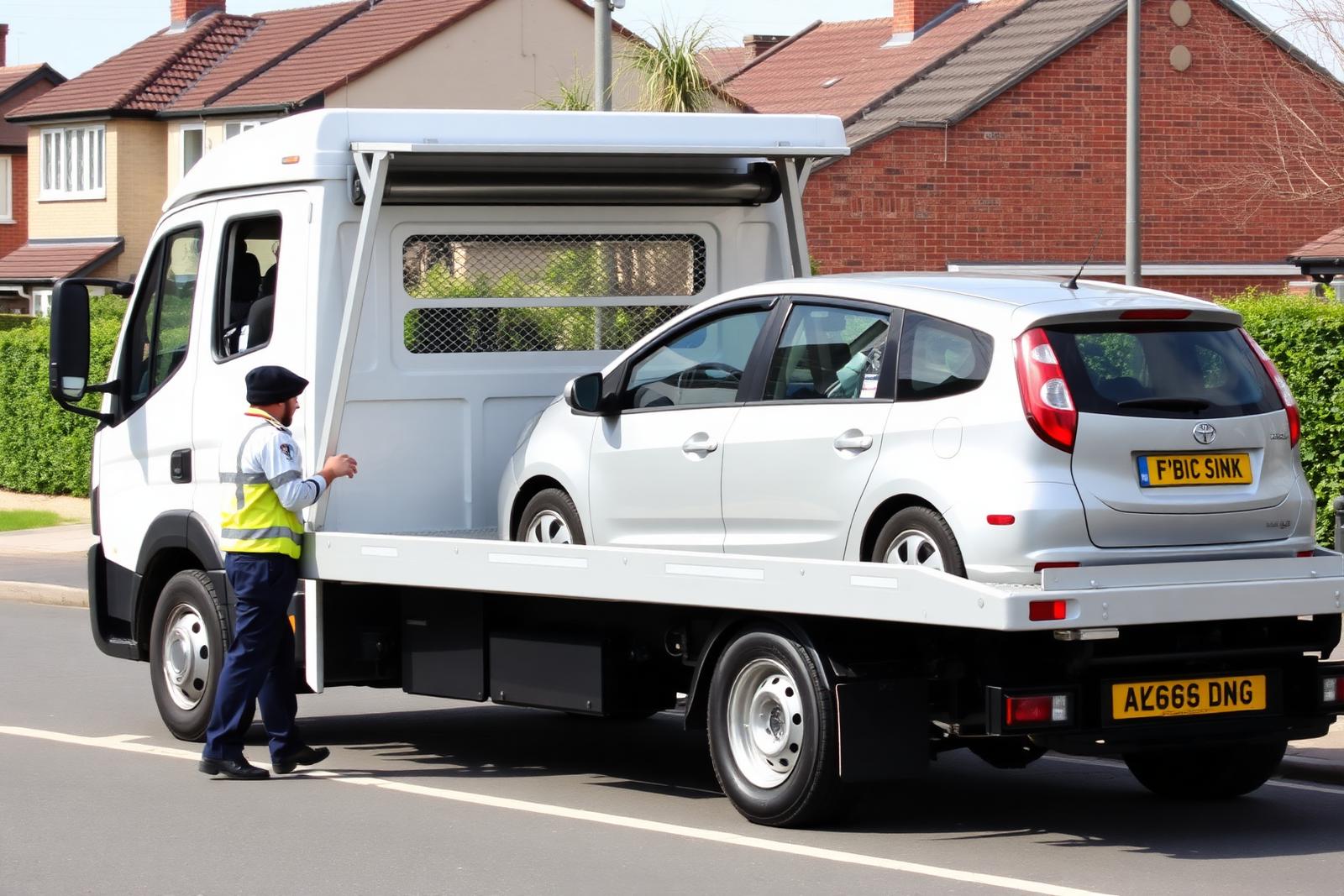

Get a current description from the workshop
Ask whether the vehicle is complete, whether it can roll and steer, and whether the keys and controls are available. A technician's diagnosis may explain why the engine failed without describing the practical loading restrictions. Report those separately. If work is unfinished, distinguish parts awaiting refitting from preparation that has actually been completed.
Provide a relevant diagnosis or workshop note when it helps explain the vehicle's condition, but do not interpret a fault code as a complete transport instruction. A vehicle can be mechanically unserviceable while still movable within the site, or have access restrictions unrelated to the engine problem. Describe the facts needed for collection rather than relying on the label “broken down”.
Establish the release contact and permitted collection time
Confirm who will authorise release, hand over keys and provide access to the correct vehicle. Reception may handle bookings while a different person controls the yard. Give the actual entrance and any agreed appointment procedure. If the workshop is waiting for approval or another release requirement, identify that before seeking a confirmed pickup.
Keep the transport request separate from disagreements about diagnosis or repair charges. Those issues need resolution with the responsible business. SYA Rescue needs an authorised release instruction, not a request for the driver to negotiate the dispute or decide whether a repair was adequate.
Prepare the next repairer for the same condition
Tell the destination workshop whether the vehicle will arrive partially dismantled, with detached components or with movement restrictions. Obtain acceptance of that state and the proposed handover. A new repair appointment may assume a complete car unless you explain otherwise. It should not be left to the receiving staff to discover that the vehicle cannot move as expected.
If the destination is a home instead, confirm permitted placement and the recipient's availability. Discuss any extra parts or equipment proposed for carriage. Do not assume a vehicle movement includes everything returned by the first garage, particularly loose items requiring their own handling or inventory.
Define the transfer without implying a repair outcome
Agree the pickup, destination and handover record for the accepted vehicle movement. Transporting a car between workshops does not establish which diagnosis is correct or guarantee that the next repair will succeed. Preserve useful factual records, while keeping technical findings and consumer disputes separate from the collection service.
If the first workshop completes further work before collection, send the revised condition. A ready-to-load description should reflect the actual vehicle on the day, not the condition expected when the booking was first discussed. The Wrexham area page provides the broader service choices if the request changes.