
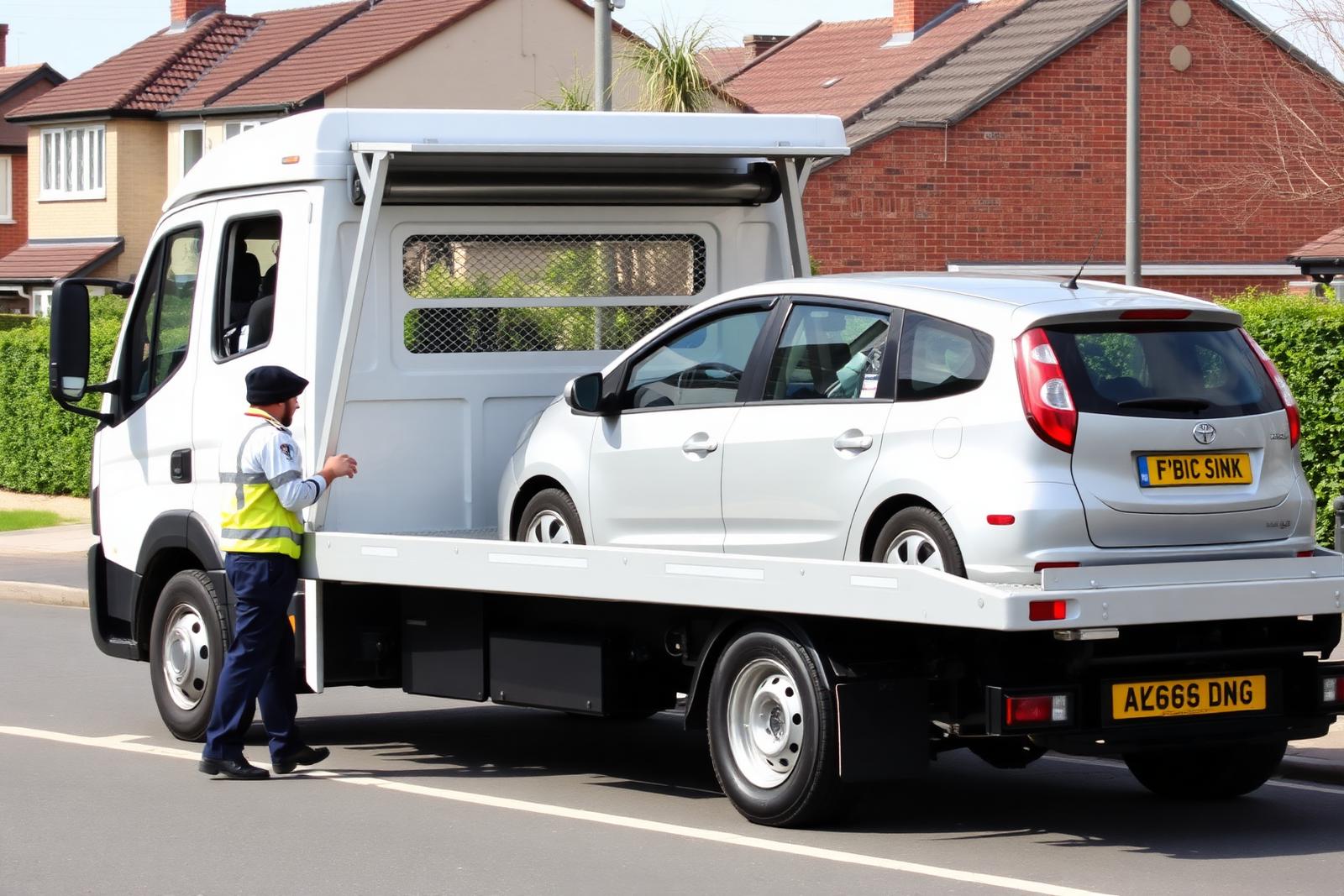
Establish whether this is a road incident or a second movement
Tell SYA Rescue if the car remains beside the road, has reached a service facility or is now held at another site. A motorway name or earlier junction reference can describe the incident without identifying today's pickup. If another operator has already attended, explain what happened and who now controls the vehicle.
Where the vehicle is still in a hazardous position, follow the Highway Code and instructions from emergency services or traffic officers. Do not make an independent movement plan that conflicts with scene control. Once the car is at a separate holding location, obtain that site's actual address, release contact and access conditions.
Check release availability outside normal hours
A holding site may be staffed without being able to release a vehicle at every hour. Ask who can authorise release, what reference is needed and when keys can be handed over. Distinguish a switchboard number from a person who can carry out the handover. Do not describe a vehicle as available merely because someone answered the telephone.
If charges or approval remain outstanding, resolve them with the responsible party. The onward transport booking should not depend on a driver settling a dispute or securing unknown permissions at the site. State any release uncertainty while requesting the quote so the job is assessed honestly.
Reassess the vehicle after the first recovery
The car's position and condition may have changed during the first movement or subsequent inspection. Obtain a current description of wheel movement, steering, brakes and key access. If damaged parts have been removed or items stored separately, declare them. An initial breakdown description may not be sufficient for the second collection.
Ask the custodian whether the vehicle can be made legitimately accessible for the agreed handover. Do not assume an onward operator will reproduce the first operator's method or equipment. The second job must be assessed on its own present conditions and accepted scope.
Agree the receiving end before requesting dispatch
If the intended repairer is closed, confirm its actual delivery permission and key procedure. Otherwise discuss an accepting alternative. A vehicle already at one holding site should not be moved toward another unconfirmed location simply because the customer wants the first storage period to end.
Clarify whether the quote covers this one onward movement or any additional leg. Keep earlier recovery charges, storage arrangements and the new transport agreement distinct. The Maidstone area page helps identify other services, while this guide addresses the practical difference between the original incident and a later collection.