Belfast Roads, Parking and Access Conditions to Research
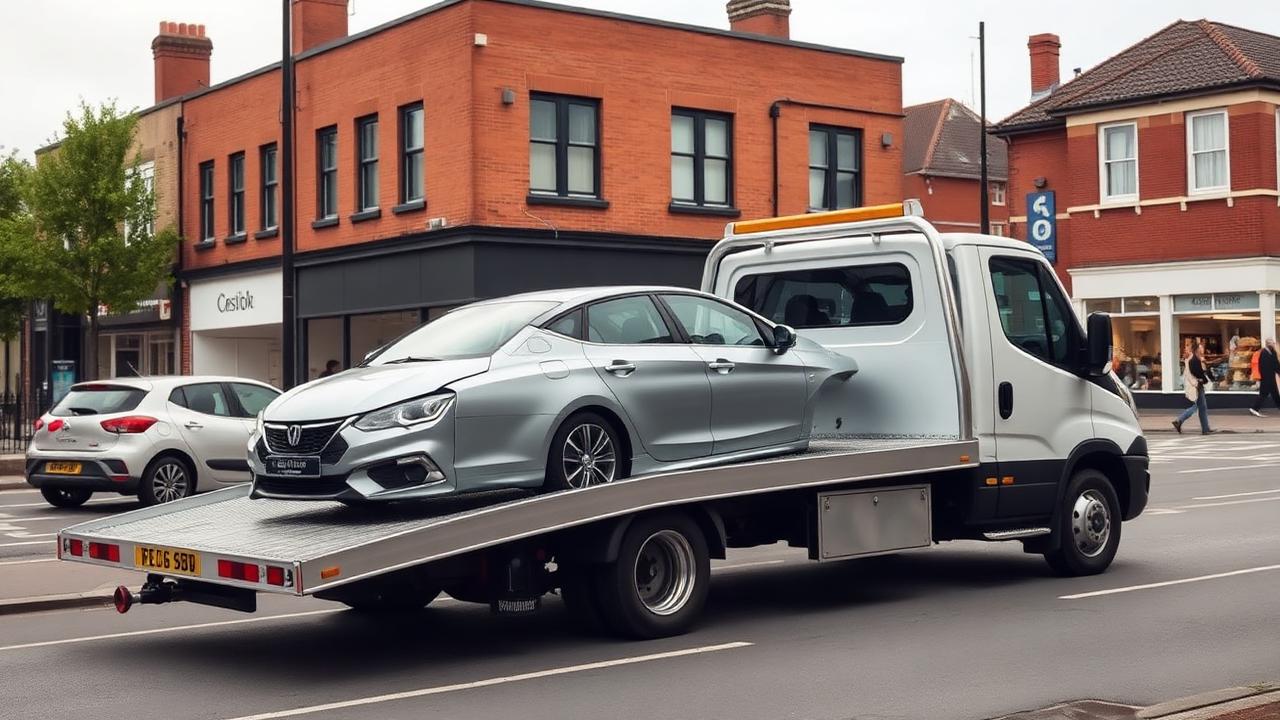
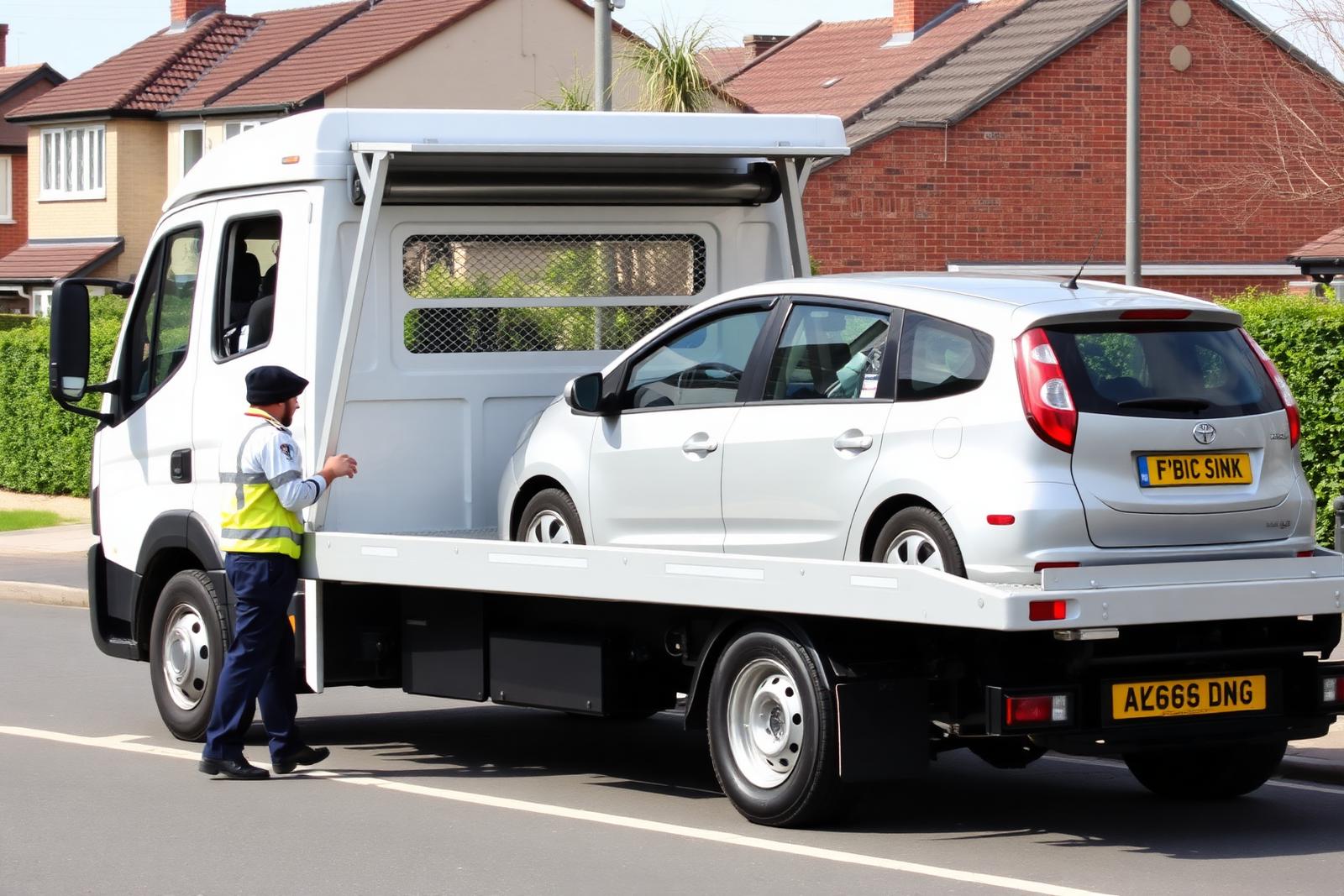
For breakdown recovery in Belfast, the exact collection point matters more than the town name alone. Describe the road, car park, premises or controlled site so the attendance can be planned accurately.
Two local factors deserve particular attention:
• Fleet depots, dealerships and workshop collection procedures.
• Strategic road corridors and junction access.
Mention either factor only when it affects the real job; never presume that every collection in Belfast has the same conditions.
**High-speed and major-road positions.** A vehicle on a motorway, dual carriageway or fast road needs a safety-led response. Follow official signs and emergency instructions, do not walk in live lanes, and make the exact carriageway and direction clear. A broad reference such as “near Belfast” is not enough when two carriageways, slip roads or junction approaches lead to different access points. For the breakdown recovery assessment in Belfast, record transmission and driveline information where known and say whether fleet depots, dealerships and workshop collection procedures create a different approach.
**Car parks and restricted premises.** In a multi-storey, underground, gated or permit-controlled location, provide the clearance, ramp, turning space and exit arrangements. An operator who can reach an open roadside may not be able to enter a low or tightly controlled structure. Where safe, photographs of the entrance and vehicle position can help the assessment.
**Residential and city-centre access.** Narrow streets, parked vehicles, loading restrictions, pedestrian areas and controlled times can affect the collection plan. Do not reserve or block space unlawfully; instead, tell dispatch what space exists and whether a responsible site or property contact can assist. For the breakdown recovery assessment in Belfast, record warning lights, noises, smells and recent symptoms and say whether fleet depots, dealerships and workshop collection procedures create a different approach.
**Commercial, institutional and managed sites.** Depots, business parks, hospitals, stations, universities, dealerships and workshops may have security, induction or opening-hour rules. Obtain the receiving or access contact before the vehicle moves. If the site will be closed, agree a lawful alternative rather than assuming keys can be left.
**Weather, visibility and temporary change.** Darkness, flooding, ice, event traffic, diversions or roadworks may alter an otherwise straightforward route. Report the conditions you can actually observe; do not rely on old directions or an earlier access promise. The service team can then reassess timing and approach.
The example of an automatic or four-wheel-drive vehicle requiring suitable loading is a useful test. Ask what the recovery driver needs to know before entering the area, where the vehicle can be handled safely, and how the destination will receive it. Those answers make the request more accurate without assuming a depot, route, response time or completed job.